

A One-Week Surf Camp in Portugal: What to Book and Why

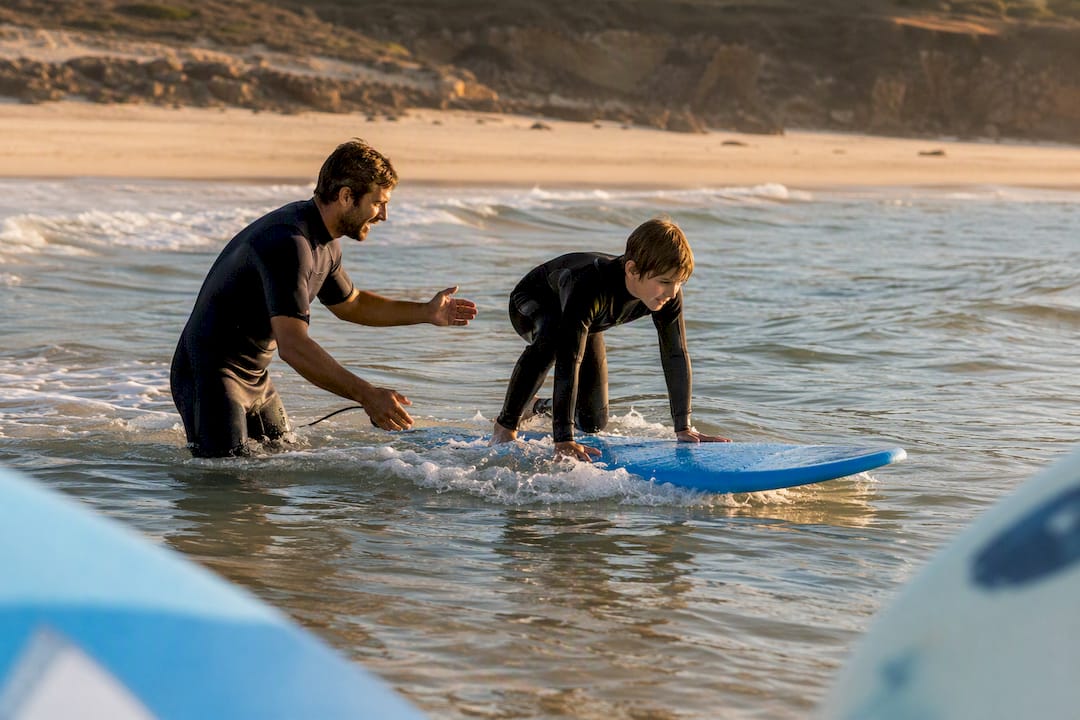
For most adults booking a surf camp uma semana in Portugal, the smartest move is a small-group camp near Peniche or Ericeira that bundles twice-daily coaching, board and wetsuit rental, and beach transfers into one price. That structure removes the two biggest failure points of a first surf trip: getting matched to the wrong ability group, and wasting vacation days figuring out logistics instead of surfing.
Best for: first-timers through intermediates who want fast, visible progress without micromanaging their own trip.
A solid 7-day package includes: one to two sessions a day, board and wetsuit use, at least some transfers to the breaks, and a clear group-size or coach ratio.
Do next: email the camp and ask how many students share one instructor during your specific week. Ripar Surf School & Surfcamp, running out of Praia Areia Branca near Peniche since 2001, is a solid benchmark to compare against.
Peniche’s beach breaks stay surfable across most of the year, which is why the region built a reputation as one of Portugal’s most reliable surf destinations regardless of season.
Key Takeaways
A one-week surf camp near Peniche or Ericeira with clear inclusions, a tight coach ratio, and honest level placement delivers the fastest, most reliable progression for most surfers.
Point | Details |
Match ability honestly | Describe your real wave count to the coach instead of a vague self-rated level. |
Confirm inclusions upfront | Nail down sessions per day, transfers, and equipment before paying a deposit. |
Pick location by goal | Beginners suit Peniche’s beach breaks; advanced surfers should target Ericeira or winter swells. |
Prepare four weeks out | Cardio, pop-up drills, and mobility work boost how much you gain from the week. |
Ripar Surf School fits most levels | Praia Areia Branca offers local certified coaching, included gear, and small-group sessions since 2001. |
Table of Contents
What Does a Surf Camp Uma Semana Actually Include?
A standard surf camp bundles accommodation, lessons, equipment, and a built-in social group into one package, rather than making you stitch together a hostel, a rental board, and a private instructor separately. That bundling is the entire value proposition. You’re not just paying for lessons; you’re paying to skip the logistics.
Most weeklong programs in Portugal follow a similar backbone. Though the details shift by camp:
Daily coached sessions, usually one per day for relaxed holiday camps.
Board and wetsuit rental included for the full week.
A room in a surf house, private lodging, or dorm.
Breakfast, and sometimes a shared dinner a few nights a week.
Transfers from the surf house to the day’s chosen break.
Optional extras: video review of your sessions, a private lesson add-on, or a yoga class.
A realistic day looks like this: morning session while the wind is calm, a late breakfast, free time or a second lesson in the early afternoon, then a group activity or rest before dinner. Camps aimed at faster progression often run two sessions a day with structured coaching between them, while casual weeks stick to one session and leave the rest of the day open.
Pro Tip: Before you pay a deposit, email three questions: How many sessions per day are actually included (not “available”)? Is transport to the beach included or an extra charge? What’s the instructor-to-student ratio for the week you’re booking?
Which Surf Level Are You Really At?
Skip the vague beginner/intermediate/advanced labels. Coaches care about what you can actually do in the water. Describe yourself honestly and the group placement takes care of itself.
True beginner: never stood up, or shaky pop-ups on whitewater. A good week means learning ocean safety, paddling technique, and a consistent pop-up.
Improving surfer: catches unbroken green waves and can turn, but inconsistently. A solid week tightens bottom turns and teaches you to read a peak before it breaks.
Advanced surfer: rides shoulders and wants speed, carving, or small barrels. A focused week refines specific maneuvers rather than teaching fundamentals.
One caveat worth internalizing: a week can fix a specific technical flaw or unlock one new skill, but it rarely changes your entire ability category. Anyone promising you’ll go from wobbly beginner to confident intermediate in seven days is overselling it.
Pro Tip: Tell your coach your actual wave count on green waves, not your surfing “level.” A coach placing groups by real water time avoids the single biggest mismatch mistake beginners make when they get put on a break that’s too advanced for their footing.
Where in Portugal Should You Book Your Week?
Portugal’s coastline offers enough variety that picking the wrong region matters almost as much as picking the wrong camp.
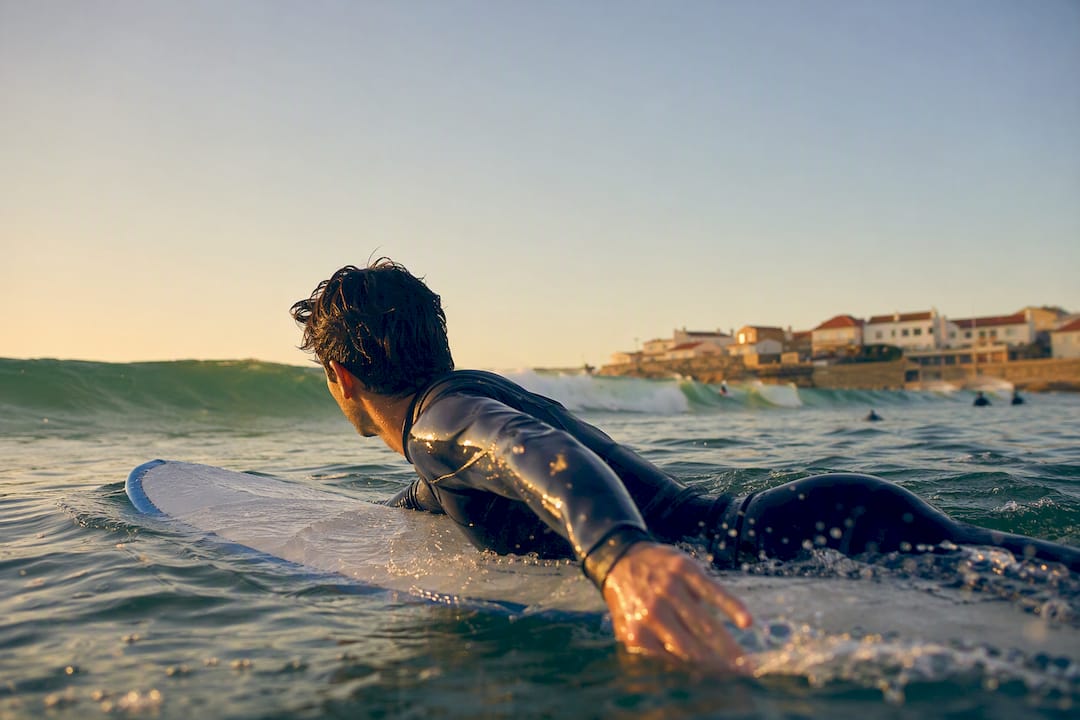
Peniche / Praia Areia Branca: Consistent, forgiving beach breaks close together, which is exactly why Ripar Surf School & Surfcamp is based here. Works well for beginners through advancing intermediates nearly year round.
Ericeira: A designated World Surfing Reserve with a wide spread of breaks. Better suited to intermediates and advanced surfers chasing variety and quality over convenience.
Algarve: Warmer water and a mix of exposed and sheltered breaks, appealing if you want a gentler winter or a family-friendly week.
Costa da Caparica: Easy access from Lisbon, decent for beginners who want city nightlife without a long transfer.
Alentejo / Aljezur: Quieter, less crowded lineups, but more weather-dependent and best for self-sufficient surfers rather than first-timers.
Seasonality matters more than most people assume. Autumn tends to bring more consistent swells across much of Europe, while Portuguese winters produce bigger, more powerful waves better suited to experienced surfers. Lisbon Airport serves Peniche, Ericeira, and Caparica with transfers typically running one to ninety minutes depending on traffic; Faro Airport is the gateway for the Algarve.
Surf House, Private Room, or Dorm: Which Fits Your Week?
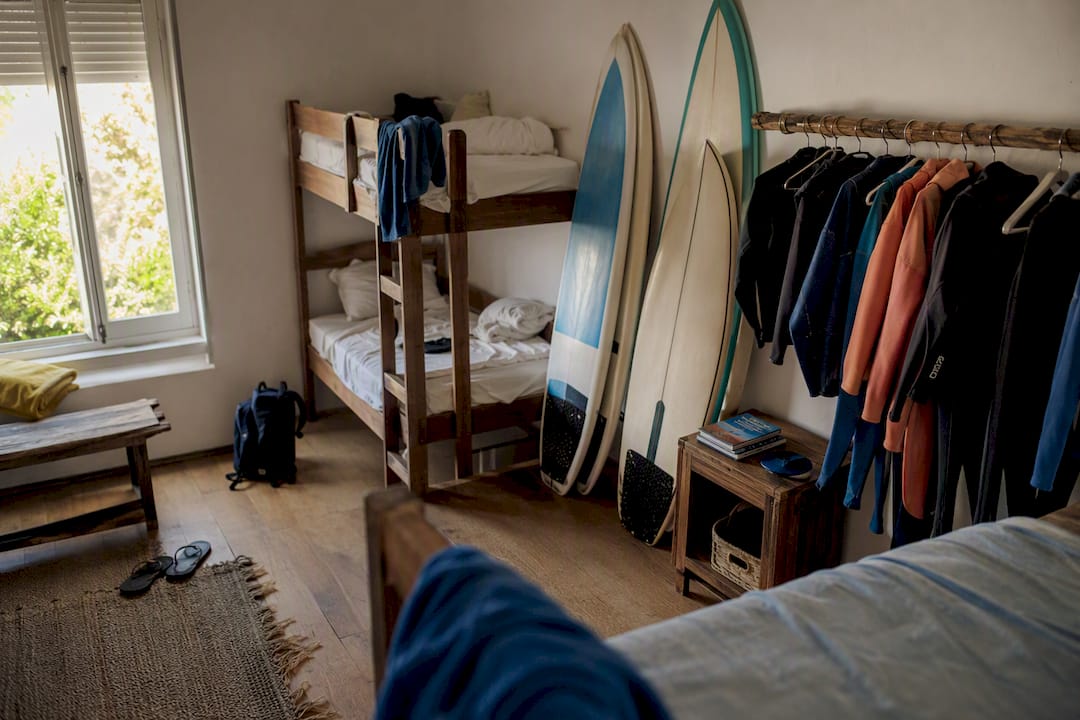
Where you sleep shapes your whole week more than most people expect. Camps generally split into a handful of recognizable models: party camps, social camps, and performance-focused boutique setups, each with a different trade-off between cost, privacy, and community.
Dorm in a surf house: cheapest option, maximum socializing, minimal privacy. Great if you’re traveling solo and want a built-in friend group.
Private room in a surf house: you still eat and hang out communally, but you get to shut a door at night. The sweet spot for most couples and solo travelers over 30.
Standalone private lodging or glamping: best for full recovery and quiet, but you’ll have to make more effort to join the group sessions and meals.
Group size affects your actual surfing more than your accommodation does. Smaller coach-to-student ratios mean more individual correction per session, which is why performance camps cap groups tightly.
Pro Tip: Ask for the exact coach-to-student ratio, not just “small groups.” Four students per coach is meaningfully different from ten, especially for a beginner learning to read waves.
What Should You Budget for a 7-Day Surf Camp?
Prices swing widely based on comfort level and coaching intensity, not just location. A dorm-based, one-session-a-day social camp sits at the budget end. A private-room camp with two daily sessions and video review costs noticeably more. A boutique performance camp with a tight coach ratio, recovery amenities, and video analysis sits at the top of the range.
Common line items that inflate the final bill:
Airport transfers, if not bundled into the package.
A private lesson add-on for a day you want one-on-one focus.
Board or wetsuit upgrades beyond standard rental gear.
Extra meals beyond breakfast.
Local taxes or booking fees added at checkout.
Session frequency and group size are the two levers that most affect both price and progression: a camp offering two sessions a day with a low coach ratio and video feedback will cost more than a one-session social week, but the progression gap between the two is real. Judge value by coaching intensity, not just the nightly rate.
How Do You Actually Choose the Right Camp?
Run every camp you’re considering through the same short interview before you send a deposit.
Does the camp clearly define skill groups by water time, not vague labels?
What’s the coach-to-student ratio for your specific week, not the advertised average?
Which beaches does the camp use, and do they rotate based on daily conditions?
What’s actually included: sessions per day, transfers, equipment, meals?
What’s the cancellation and rebooking policy if a storm or flight change hits?
A prioritized checklist covering goal fit, wave type, coaching quality, and preparation catches most bad matches before you pay anything.
Watch for these red flags in early email replies:
No clear answer on group size or coach ratio.
“It depends” on inclusions that should be fixed (transfers, equipment).
No stated safety or ocean-conditions policy.
Vague or unwritten refund terms.
Pro Tip: If a camp can’t answer your ratio and cancellation questions in one email, that’s your answer about how organized the week will actually be.
How Should You Prepare Before You Arrive?
Time spent preparing before your flight pays off directly in the water. Cardio, pop-up drills, and mobility work meaningfully increase how much you get out of a single week, because paddling fitness and pop-up speed are exactly what limits beginners in their first sessions.
A simple four-week countdown:
Weeks 4 to 3 before travel: swim or run twice a week, add 10 minutes of pop-up practice on dry land daily.
Weeks 2 to 1 before travel: add shoulder mobility and light surfskating if you have access to a skateboard or surfskate.
Final days: rest more than you train, and pack reef-safe sunscreen, a rash guard, and earplugs.
Bring your own board only if you’re advanced and picky about your setup; otherwise rent locally, since most camps carry a quiver suited to daily conditions. Set your expectations at “one clear improvement,” not a full skill-level jump.
When Should You Book Your Week?
Timing changes both your wave quality and your price. Beginners do well nearly year round in Peniche’s sheltered breaks; intermediates chasing variety should target Ericeira in the months often bringing consistent swells; advanced surfers wanting power should look at winter months, when conditions get heavier across the coast.
Book six to ten weeks ahead for peak summer weeks (July through August), when surf houses fill fastest.
Expect a deposit of roughly 20 to 30% to hold your dates, with the balance due closer to arrival.
Confirm the camp’s rebooking policy for flat-swell weeks or flight delays before you pay.
Consider travel insurance that specifically covers activity-related trip interruption, not just standard medical cover.
Why I Still Recommend a Week, Not a Weekend
Running lessons out of Praia Areia Branca since 2001 taught me one thing: a weekend teaches you to stand up, but a full week teaches you to actually read the ocean. Seven days gives your body time to stop overthinking the pop-up and start reacting to the wave in front of you. It won’t turn a beginner into an intermediate, but it will hand you a foundation that a two-day trip never can.
Book a Surf Camp Uma Semana With Ripar Surf School
If you’ve compared enough camp listings today to feel like they all promise the same thing, here’s the actual difference at Ripar Surf School & Surfcamp: local, certified instructors who’ve worked Praia Areia Branca’s breaks since 2001, small coaching groups instead of crowded lesson lines, and a package that lists exactly what you get, no guessing at checkout.

Every week-long package includes daily coached surf lessons, full board and wetsuit rental, and transfers to whichever break is firing that day, decided by local knowledge rather than a fixed schedule. Rooms range from social surf-house dorms to private lodging, so you can pick the vibe that matches your energy level for the week. Guests consistently mention the instructors by name in their reviews, a sign that the coaching here stays personal even in group sessions. If you’re weighing accommodation options for the trip more broadly, this guide to choosing holiday homes is a useful companion read.
Ready to lock in your week? Check dates and book your surf camp online, or reach out directly to ask about group ratios for your travel dates before you commit.
Sources
Read the season-specific guide for your target region before booking, since conditions at the exact same beach can shift week to week even within a strong overall season.
Recommended
Comments