

Surf spots explained: types, tips, and top Portugal destinations

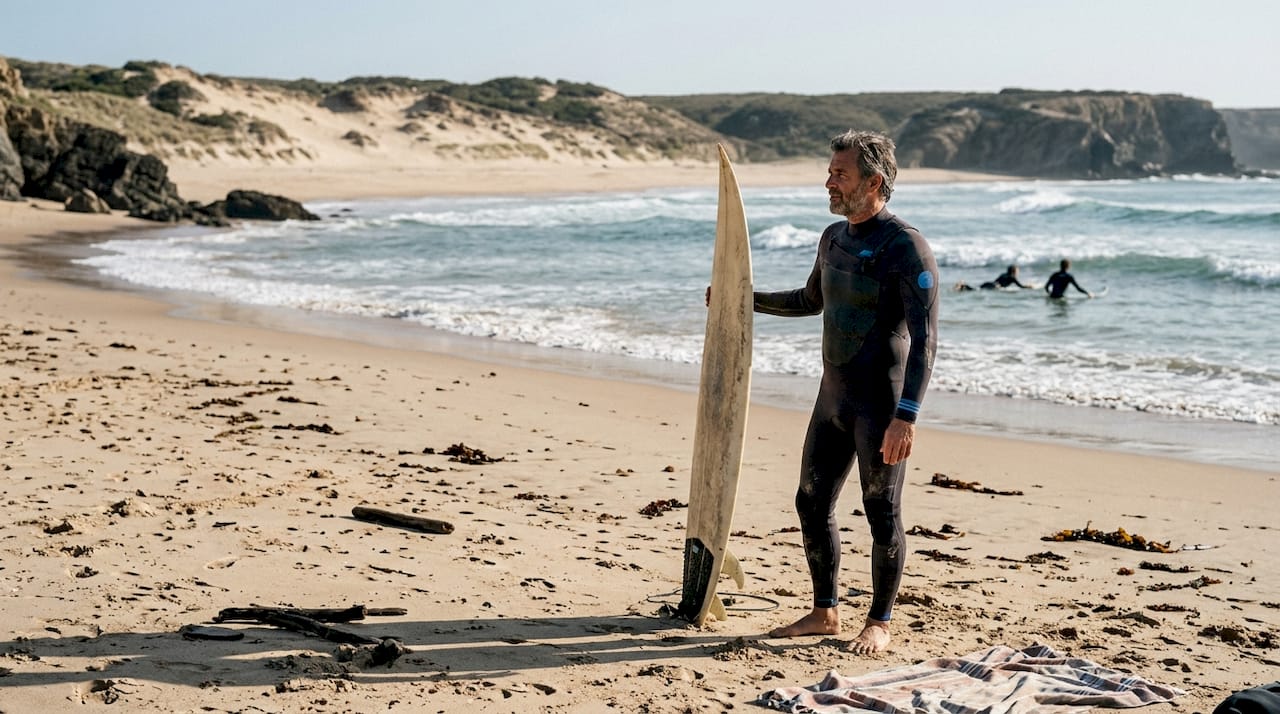
Not every beach with waves is a surf spot. That’s the first thing most beginners get wrong when they start planning a surf holiday in Portugal. A surf spot is a specific location where waves break in a rideable manner, shaped by underwater features like sandbars, reefs, or rocky points. The difference between a random stretch of coastline and a world-class surf spot comes down to geology, ocean conditions, and local knowledge. Understanding what makes a spot work, and which type suits your level, can completely change your experience in the water.
Table of Contents
Key Takeaways
Point | Details |
Surf spot essentials | A surf spot is defined by wave quality, underwater topography, and local conditions. |
Spot types matter | Beach, reef, and point breaks each offer unique challenges and are suited for different levels. |
Portugal’s best for all | Portugal offers beginner-friendly and advanced waves, especially in Ericeira, Peniche, and the Algarve. |
Safety comes first | Always consider hazards, etiquette, and local advice before paddling out. |
Progress with guidance | Surf camps and lessons help you choose the best spots and safely build skills. |
What is a surf spot?
A surf spot is not just any beach where you can paddle out. It’s a location where the underwater topography consistently produces waves that surfers can ride. That consistency is the key word. Without the right seafloor shape, waves either close out all at once (making them unrideable) or never form properly at all.
“A surf spot is a specific location where waves break in a rideable manner for surfing, influenced by underwater topography like sandbars, reefs, or points.”
Several factors combine to turn an ordinary stretch of coast into a proper surf spot:
Underwater topography: Sandbars, reefs, and rocky points all shape how waves break.
Swell direction: A spot may only work with swells coming from a specific angle.
Wind: Offshore wind (blowing from land to sea) grooms waves; onshore wind makes them messy.
Tide: Many spots only work at low, mid, or high tide. Knowing this saves wasted sessions.
Local hazards: Rocks, rip currents, and shallow sections define where and how you surf.
In Portugal, you’ll hear locals refer to spots by their praia (beach) name, often with a specific section attached. Praia Areia Branca, for example, is not just a beach. It’s a community, a vibe, and a collection of different breaks depending on the swell and tide. If you’re planning Portugal surf lessons, understanding this layered nature of spots will help you get far more out of every session.

Types of surf spots: Beach, reef, and point breaks
Not all surf spots are created equal. The three main types of surf breaks are beach breaks, reef breaks, and point breaks. Each offers a completely different experience, and each suits a different skill level.
Break type | Bottom | Wave character | Best for |
Beach break | Sand | Shifting peaks, forgiving | Beginners and intermediates |
Reef break | Rock or coral | Powerful, consistent, hollow | Advanced surfers |
Point break | Rock or headland | Long, peeling rides | Intermediate to advanced |
Here’s how each one plays out in practice:
Beach breaks form over sandy bottoms. The peaks shift around, which means more space in the lineup and softer wipeouts. Spots like Foz do Lizandro near Ericeira and Arrifana in the Algarve are classic examples. These are where most beginners should start.
Reef breaks form over rock or coral. The wave is more predictable in shape but far more powerful and potentially dangerous. Supertubos near Peniche is one of Europe’s most famous reef-influenced beach breaks, known for its thick, fast barrels. It’s not a spot for beginners.
Point breaks wrap around a headland, producing long, peeling waves that give you time to practice turns and build flow. Ribeira d’Ilhas near Ericeira and Coxos are iconic Portuguese point and reef breaks that attract surfers from around the world.
Pro Tip: If you’re new to surfing or still building confidence, stick to beach breaks for your first few sessions. The sandy bottom is far more forgiving, and the shifting peaks mean less crowd pressure in any one spot.
For a broader look at what Portugal’s coastline offers, check out these Portugal surf experiences that cover everything from mellow beach breaks to more challenging setups.
Choosing the right surf spot for your skill and goals
Knowing the types of breaks is one thing. Matching them to your actual skill level is where most people go wrong. Portugal’s coastline stretches over 1,800 kilometers, and the variety of spots is genuinely staggering. Here’s a practical breakdown:

Skill level | Recommended break | Wave size | Best season |
Beginner | Beach break | 1 to 3 ft | June to September |
Intermediate | Beach or point break | 2 to 6 ft | September to November |
Advanced | Reef or point break | 4 ft and above | October to March |
Portugal’s main surf regions each have their own personality:
Peniche: Home to Supertubos and Baleal. Baleal is excellent for beginners, with mellow waves and a wide sandy beach. Supertubos is for experienced surfers only.
Ericeira: A World Surfing Reserve with spots for every level. Foz do Lizandro is mellow and perfect for learning, while Ribeira d’Ilhas and Coxos challenge advanced surfers.
Algarve: Spots like Arrifana and Cordoama near Sagres offer a more relaxed atmosphere with consistent beach break waves.
Before paddling out anywhere, check the forecast. Look at swell height, swell period (the time between waves, with longer periods meaning more powerful surf), and wind direction. Understanding good surf conditions in Portugal will save you from showing up on a flat or blown-out day.
Pro Tip: A swell period above 12 seconds usually means powerful, well-organized waves. Below 8 seconds tends to produce choppy, weak surf. Use this as a quick filter when reading forecasts.
Connecting with local surf culture in Portugal also gives you access to real-time knowledge that no app can replicate. Locals know which spots fire on which tides and which ones to avoid after heavy rain.
Safety, etiquette, and maximizing your surf session
Finding the right spot is only half the equation. Staying safe and respecting the lineup is what separates a great session from a dangerous or frustrating one.
Every break type carries its own hazards:
Beach breaks: Rip currents are the biggest risk. Learn to spot them (calm, darker water moving away from shore) and know to paddle sideways, not against them.
Reef breaks: Shallow water over rock or coral can cause serious injuries. Low tide reefs expose hazards that are invisible at high tide. Never surf a reef break without knowing the bottom.
Point breaks: Rocks at the entry and exit points require careful timing. Watch how locals get in and out before you attempt it.
Crowds: Popular spots like Supertubos attract heavy crowds during peak season. More surfers means more risk of collisions and more pressure to drop in on waves that aren’t yours.
“Knowing when to sit out is a skill. Paddling out in conditions beyond your level doesn’t make you brave. It makes you a hazard to yourself and others.”
Lineup etiquette is not optional. The surfer closest to the peak (the breaking part of the wave) has priority. Don’t drop in on someone already riding. Don’t paddle through the middle of the lineup. Apologize when you make a mistake, because you will. These unwritten rules keep the water safe and enjoyable for everyone.
Working with a qualified surf instructor in Portugal is one of the fastest ways to learn both safety and etiquette in a real-world setting, not just from a book.
From surf spot to surf trip: Planning, progression, and local tips
Knowing your spots and understanding safety sets the foundation. Now it’s time to build a surf trip that actually moves your surfing forward.
Map your progression path. Start at a mellow beach break, build consistency, then gradually introduce yourself to longer rides at point breaks. Don’t rush to reef breaks until your pop-up, paddling, and wave reading are solid.
Use coached sessions and video analysis. Surf camps in Portugal increasingly use video review to help surfers identify exactly what’s going wrong with their technique. Watching yourself surf is humbling and incredibly effective.
Pack smart for the spot. Beach breaks in summer need a shorty wetsuit or boardshorts. Winter reef sessions near Peniche call for a 4/3mm wetsuit and booties. Bring reef-safe sunscreen regardless of season.
Connect with locals. Surf shops, cafes near the beach, and surf school staff are your best source of daily spot conditions. No forecast app beats a local who surfed the spot that morning.
Schedule around the forecast, not the calendar. A week of good swell in October will teach you more than two weeks of flat summer surf. Build flexibility into your trip if you can.
Pro Tip: Book accommodation close to multiple spots rather than one. Staying near Praia Areia Branca, for example, puts you within easy reach of both Peniche and Ericeira, giving you options no matter what the swell is doing.
If you want a base that combines comfort, community, and easy spot access, a surf house in Portugal or a structured Portugal surfcamp takes the logistics off your plate so you can focus entirely on surfing.
Take your Portugal surf holiday further
Understanding surf spots is the foundation, but putting that knowledge into practice with the right guidance makes all the difference. At Ripar Surf School, we’ve been helping surfers of all levels find their feet (and their waves) along Portugal’s coast since 2001. Our certified local instructors know every break, every tide window, and every shortcut to faster progression.

Whether you want to book your lesson online for a quick session or commit to a full week of structured coaching, we have options that fit. Our private lessons for all levels give you focused, personalized feedback, while our Portugal group surf lessons connect you with other surfers in a fun, social setting. Come surf with people who actually live and breathe this coastline.
Frequently asked questions
What makes a great surf spot for beginners?
A great beginner spot has slow, soft-breaking waves over a sandy, forgiving bottom, with minimal hazards and enough space to practice without crowding. Beach breaks like Foz do Lizandro and Baleal in Portugal are ideal starting points.
How do I know if a surf spot is safe for my skill level?
Check the bottom type, wave size, and crowd density before paddling out. Reef spots in heavy swell like Supertubos can be genuinely dangerous for less experienced surfers, so always ask a local instructor if you’re unsure.
What time of year is best for surfing in Portugal as a beginner or intermediate?
Summer offers mellow waves ideal for learning, while autumn brings more consistent swell for intermediates looking to progress. Winter is powerful and best suited to experienced surfers.
What’s the difference between a point break and a beach break?
A point break wraps around a headland and produces long, peeling rides, while a beach break forms over sand with shorter, shifting peaks that are more accessible for beginners.
How can I find local surf forecasts and spot guides in Portugal?
Use surf forecast tools to check swell height and wind direction before each session, and supplement that with advice from local surf schools or camp staff who know the spots firsthand.
Recommended
Không phải ai cũng thi cùng một kỳ. Anh chị, em họ, bạn cùng lớp có thể lẫn mã. Mình từng tra nhầm mã của em rồi hoảng. Giờ mình viết tên người lên đầu tờ giấy trước khi mở trang tra cứu điểm, nghe vụn vặt nhưng hiệu quả. Đối chiếu họ tên trên màn hình với tờ giấy, rồi mới đọc số. Nếu trang cho chọn năm, mình chọn năm rồi mới dán mã. Lẫn người là lỗi người, không phải lỗi điểm. Quy trình nhỏ giữ cho thông tin đúng chủ.
Không phải ai cũng thi cùng một kỳ. Anh chị, em họ, bạn cùng lớp có thể lẫn mã. Mình từng tra nhầm mã của em rồi hoảng. Giờ mình viết tên người lên đầu tờ giấy trước khi mở trang tra cứu điểm, nghe vụn vặt nhưng hiệu quả. Đối chiếu họ tên trên màn hình với tờ giấy, rồi mới đọc số. Nếu trang cho chọn năm, mình chọn năm rồi mới dán mã. Lẫn người là lỗi người, không phải lỗi điểm. Quy trình nhỏ giữ cho thông tin đúng chủ.
Khi cần nạp xu tiktok để tặng quà trong livestream, mình thường nghĩ trước mức chi phù hợp rồi mới chọn mệnh giá. Cách làm này giúp tránh quyết định vội theo cảm xúc. Nếu quy trình có bước xác nhận cuối với đầy đủ số xu và tổng tiền thì càng dễ kiểm soát.
Khi cần nạp xu tiktok để tặng quà trong livestream, mình thường nghĩ trước mức chi phù hợp rồi mới chọn mệnh giá. Cách làm này giúp tránh quyết định vội theo cảm xúc. Nếu quy trình có bước xác nhận cuối với đầy đủ số xu và tổng tiền thì càng dễ kiểm soát.