

Surfboard Rental for Surf Vacations: What to Know

TL;DR:
Renting a surfboard is often a smarter, more convenient option than hauling your own, especially when traveling to new coastlines. It offers cost-effective solutions that avoid airline fees, provides boards suitable for all skill levels, and includes flexible rental durations with optional insurance. Booking early and inspecting your board before use ensures a smooth surf trip experience, making local rentals a recommended choice for most travelers.
Planning a surf vacation and wondering whether to haul your board through airports or just grab one when you land? Understanding what is surfboard rental, and how it actually works in practice, can completely change how you approach a surf trip. Most people assume renting is a last resort. The reality is that surfboard rental is often the smarter, easier, and cheaper choice, especially when you’re traveling to a new coastline with different wave conditions than what you’re used to.
Table of Contents
Key takeaways
Point | Details |
Rentals beat airline fees | Airlines often charge $150+ to check surfboards, making local rentals a smarter financial choice. |
Match board to skill level | Soft tops suit beginners for stability; advanced surfers can request performance hardboards. |
Book ahead for best results | Reservations guarantee availability and often require full payment upfront, especially in peak season. |
Add insurance at booking | Rental insurance costs around $15/day and protects you from costly damage or loss charges. |
Ask about multi-day deals | Multi-day discounts and free equipment swaps are common perks at professional rental shops. |
What surfboard rental actually is
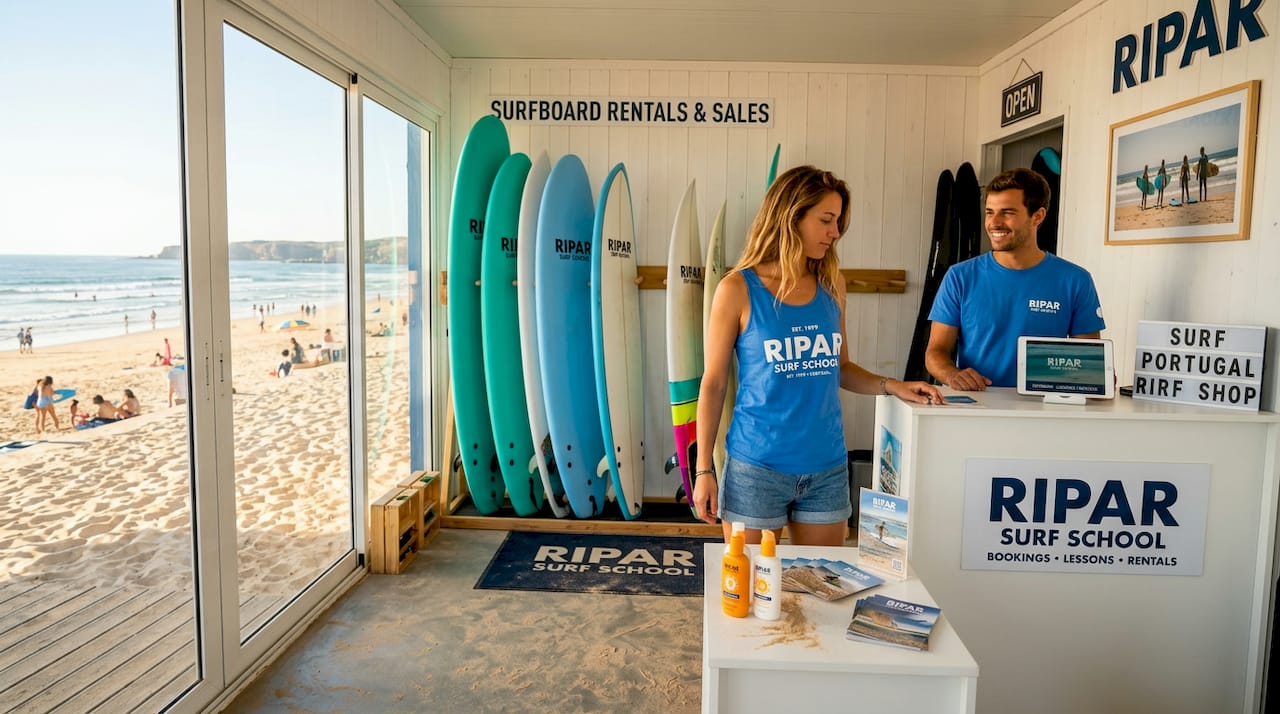
Surfboard rental is a service where surf shops, surf schools, or watersports companies loan you a surfboard for a set period of time in exchange for a fee. You pick the board (or choose from available options), pay for your rental window, and go surf. No ownership. No maintenance. No worrying about dings on the flight home.
The process is straightforward at most rental locations. You show up or book online, present a photo ID, leave a deposit, and walk out with a board suited to the waves and your skill level. Some shops let you inspect several boards before choosing. Others have a staff member ask a few questions about your experience and recommend something from their rack.
Rental shops typically stock a range of boards to serve different skill levels and wave types. Here is what you will commonly find:
Soft top boards (foamies): The go-to for beginners and those getting back in the water after a long break. Wide, thick, and forgiving.
Longboards: Great for smaller waves and a more relaxed style. Popular with beginners and intermediate surfers alike.
Fish boards: Wider and shorter than a standard shortboard. Works well in smaller, mushier waves.
Performance shortboards: For experienced surfers who want to push their surfing in quality waves.
Mini-malibus (funboards): A versatile middle-ground option that suits a wide range of skill levels.
Rental periods are typically structured by the hour, the day, or the week, and most shops offer custom arrangements for multi-night surf trips.
Surfboard rental options: boards, durations, and extras
Not all surfboard rental services are the same. The options available to you depend on where you are surfing, the shop you choose, and what you need from the experience.
Board types and skill matching
Soft tops and performance boards cater to entirely different skill levels and wave conditions. If you have never surfed or are still building your pop-up, a soft top is not just the safe choice, it is the right one. The extra volume keeps you stable and makes paddling dramatically easier. If you are an experienced surfer heading to a beach with consistent overhead waves, you will want a performance shortboard that responds to your turns.
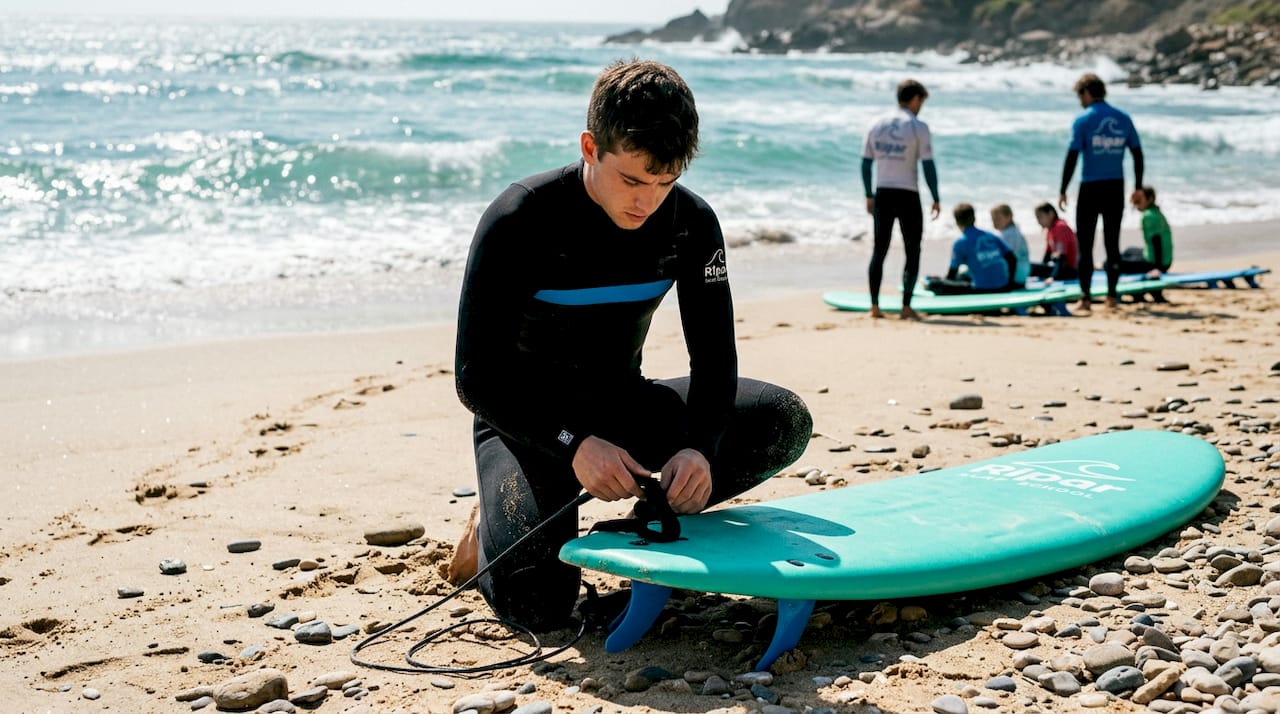
For those somewhere in the middle, a funboard or mid-length is often the most enjoyable option. It paddles well, catches a lot of waves, and does not punish minor mistakes the way a performance board does.
Rental duration and pricing
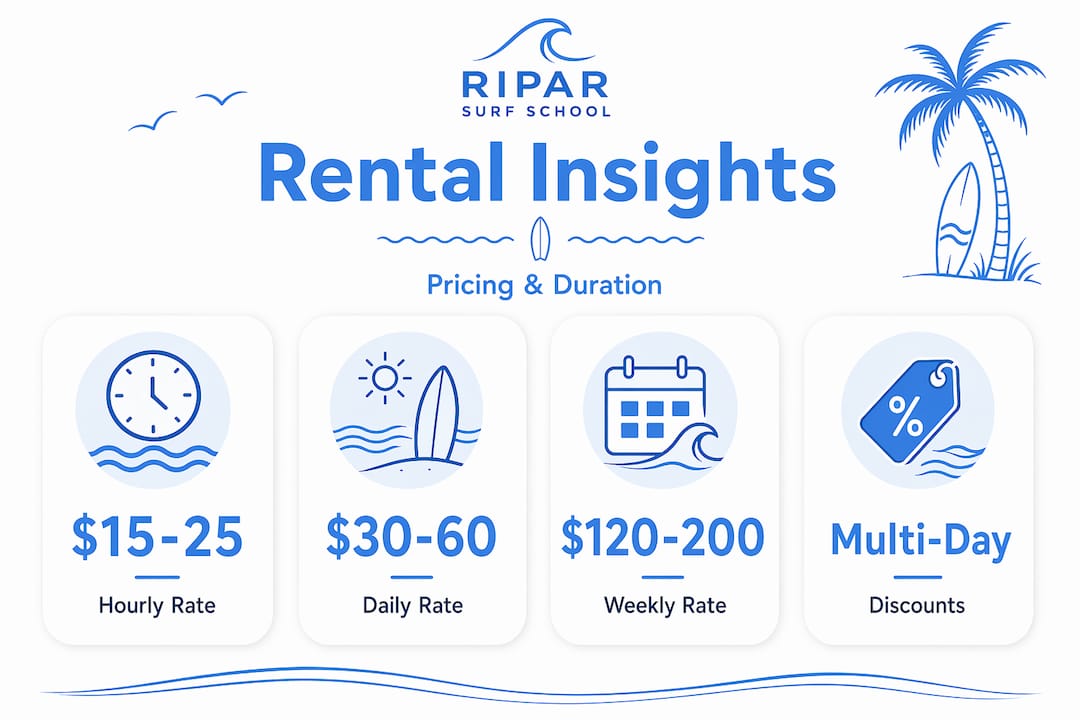
Surfboard rental prices vary by location, board type, and duration. Expect to pay more in high-traffic tourist destinations and less in quieter surf towns. Here is a general comparison:
Duration | Typical price range | Best for |
Hourly | $15 to $25 | Quick sessions or trying surfing once |
Daily | $30 to $60 | Day trips or one-session-per-day travelers |
Multi-day (3 to 5 days) | $80 to $150 | Weekend surf trips; often discounted |
Weekly | $120 to $200 | Full vacation rentals; best value per day |
Pro Tip: Multi-day rental discounts are widely available and can cut your daily rate significantly. If you plan to surf three or more times, always ask about a weekly package before booking day by day.
Delivery and extra services
Delivery services are available at many rental shops, with boards scheduled for pickup at your lodging or a designated beach spot. This is particularly useful if you are staying at a surf camp or villa away from the main strip. Some shops also offer free equipment swaps during multi-day rentals, which means if the conditions change and you want a different board shape, you can exchange without penalty.
How to rent a surfboard: booking, costs, and policies
Renting a surfboard for the first time feels simple once you know the steps. Here is how the process typically works:
Find rental shops near your destination. Search for surfboard rental near me before you travel, or ask your accommodation for recommendations. Surf schools often rent boards directly, which simplifies the process.
Check availability online. Many shops now have online booking. Reservations prioritize you over walk-in customers and often require full payment upfront.
Choose your board type. Be honest about your skill level. A board that flatters your ego but does not match your ability will ruin your session.
Review the rental policy. Understand the deposit amount, what counts as damage, and what the return process looks like.
Add rental insurance. This step is easy to skip and almost always worth doing.
Inspect the board before you leave the shop. More on this below.
What influences surfboard rental prices
Several factors push prices up or down:
Board type: Performance shortboards often cost more than soft tops
Location: Popular tourist surf destinations charge a premium
Season: Peak summer or swell season rates are higher
Duration: Longer rentals almost always come with a per-day discount
Extras: Delivery, wax kits, and insurance all add to the base rate
Why rental insurance matters more than you think
Rental insurance covers accidental damage and loss for around $15 per day. That sounds like a small add-on until you come in from a heavy session with a snapped fin or a rail ding and realize repairs can run $50 to $200 depending on severity. Without insurance, that cost falls entirely on you. With it, you surf without that background anxiety. It must be purchased at rental time, so do not wait until after something happens.
Pro Tip: Always photograph the board before and after your session, even with insurance. A quick photo log on your phone creates a clear record if any dispute arises about pre-existing damage.
Benefits and challenges of renting on vacation
Renting a surfboard on vacation offers clear practical advantages, but it also comes with a few realities worth knowing.
The advantages are substantial:
Airlines often charge $150 or more to check a surfboard, and that is each way. A week of rental can cost less than a round-trip bag fee.
You travel lighter and avoid the stress of your board getting damaged in transit.
Local rental boards are often tuned to the conditions at that specific beach.
Wax, leashes, and sometimes rashguards are included at no extra cost in many rental packages.
The challenges are real but manageable:
Your preferred board model may not always be available. Shops often substitute an equivalent or better board, but you may not get the exact shape you wanted.
Board condition varies. Some shops maintain their fleet meticulously; others less so.
Walk-in rentals carry availability risk, especially during busy seasons. Booking ahead is the only reliable fix.
“The best rental experience starts before you arrive. Booking ahead, knowing your level, and reading the shop’s policies takes less than 20 minutes and saves hours of frustration on the day.”
Flexibility is the key word here. Rental shops want you to have a good experience, and shops try their best to match requests even when the exact model is unavailable. Being open to alternatives and communicating clearly with the staff goes a long way.
Tips for getting the most from your rental
Getting on the right board is only half the battle. Here is how to make the full rental experience work in your favor.
Inspect the board thoroughly before you leave the shop. Check for cracks, dings, delamination, and fin box condition. If you find damage, point it out and have staff note it. This protects you from being charged for pre-existing issues.
Ask staff about local surf spots. Rental shop staff surf those beaches every day. Their spot recommendations are worth more than any travel blog.
Be specific about your skill level. Saying “I’ve surfed a couple of times” is more useful than “I’m intermediate.” The more detail you give, the better the board match. Check out this beginner surf equipment guide if you are unsure what level fits you.
Understand the damage and return policy before you paddle out. Know the return time and condition expectations so nothing catches you off guard.
Use the included gear. Leash, wax, and rashguards are often part of the package. Wearing the leash is non-negotiable for safety and usually required by the shop.
If the board is not working, ask for a swap. Most reputable shops honor swap requests, especially on multi-day rentals.
Pro Tip: Understanding how surfboard shape affects performance before you rent makes a real difference. A board with more rocker suits steeper waves; a flatter board is faster in smaller surf. Five minutes of reading saves you from choosing wrong.
My honest take on renting vs. bringing your own board
I have watched hundreds of surfers arrive at the beach for a surf holiday, and the ones who struggle most with rentals are almost always the ones who did zero preparation beforehand.
Here is what I have learned: the biggest misconception I see is that renting is somehow a compromise. It is not. In many cases, it is the more experienced choice. Traveling with a board means bag fees, potential airline damage, and showing up to a beach where the waves call for a completely different shape than what you packed. Renting locally gives you access to boards that local shops have specifically chosen for their coastline’s conditions.
What I tell every guest who asks: be honest about your level, book ahead, buy the insurance, and trust the staff recommendations. The surfers who skip those steps are the same ones complaining about their session an hour later.
The one area where I have seen genuine disappointment is board availability during peak season. If you are traveling in August and you wait until the morning of your session to look for a rental, you may be stuck with whatever is left on the rack. Book it the same week you book your flights. That single habit eliminates 90% of the friction people associate with rentals.
— Fernando
Plan your surf holiday with Riparsurfschool
At Riparsurfschool, based at Praia Areia Branca near Peniche, we have been helping surfers of all levels get in the water since 2001. Surfboard rental is built into our approach, so guests have access to well-maintained equipment matched to their skill and the current conditions.

Whether you want to combine your rental with a private surf lesson or join a group session to accelerate your progress, we have options that fit every type of surf holiday. You can also explore our surf camp packages, where boards, instruction, and surf accommodation are all part of the same experience. Ready to get started? Book your sessions online and secure your board before peak season fills up.
FAQ
What is a surfboard rental?
Surfboard rental is a paid service where a shop or surf school loans you a board for a set period. You pay a fee based on duration, board type, and location, and return the board in the agreed condition.
How much does surfboard rental cost?
Prices typically range from $30 to $60 per day for a standard rental, with weekly rates often falling between $120 and $200. Location, board type, and season all affect the final price.
Should I book a rental in advance?
Yes. Reservations guarantee availability and are always recommended, especially during busy surf seasons. Walk-ins are welcome at most shops but availability is not guaranteed.
Is rental insurance worth it?
Absolutely. Insurance covers dings, breakage, and lost equipment for around $15 per day. It must be added at the time of booking and protects you from repair costs that can quickly exceed the cost of the rental itself.
What kind of board should a beginner rent?
Beginners benefit most from soft top boards due to their stability and forgiveness. Longboards and funboards are also solid choices. Avoid shortboards until you have a consistent pop-up and can control your direction reliably.
Recommended
Comments