

Stay Warm Surfing in Portugal: 4/3mm Oct to Apr, 3/2mm for Warmer Months

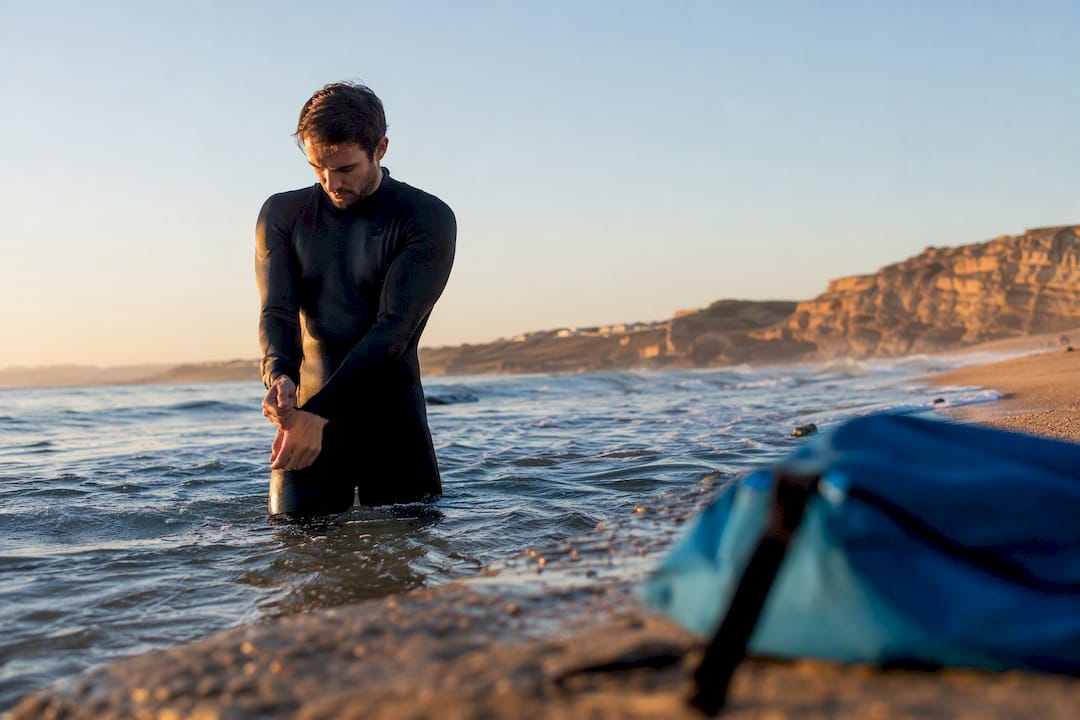
For most Portuguese surf days, a 4/3mm wetsuit is the workhorse pick, covering roughly October through April, with a 3/2mm taking over from late spring through early autumn. Run cold, surf at dawn, or paddle out on windy Atlantic breaks? Step up half a size or add boots and a hood. O’Neill’s temperature guide and Ripar Surf School’s own instructors both build their recommendations around exactly this seasonal split.
TL;DR:
Wetsuit thickness recommendations depend on water temperatures, with 3/2mm suitable for 12–14°C and 4/3mm for 8–14°C, but fit and wind conditions matter equally.
Beginners should prioritize a well-fitting suit with sealed seams over a thicker, cheaper option, as quality and fit improve warmth and durability.
Accessories like boots, gloves, and hoods are advisable below 12°C and are often needed during long sessions or exposed, windy conditions.
Choosing a suit involves matching season dates, prioritizing fit over thickness, and stepping up in cold or high-wind situations rather than risking discomfort.
Trying suits through rentals or lessons near Praia Areia Branca helps ensure proper sizing and conditions-specific adjustments before investing.
Table of Contents
Espessura Fato Surf: Tabela De Temperaturas Para Portugal
Wetsuit thickness gets written as two or three numbers, like 4/3mm or 5/4/3mm. The first number is the torso thickness in millimeters, the second covers the arms and legs, and a third number (when it shows up) usually marks a thinner shoulder panel added for paddling range. O’Neill explains that thickness typically runs from 2mm in warm water up to 7mm for genuinely brutal cold, and Portugal’s Atlantic coast sits comfortably in the middle of that range most of the year.
Here’s how the bands break down for Portuguese water temperatures, based on O’Neill’s guidance reported by SurfTotal:
Water Temp (°C) | Recommended Thickness | Accessories |
12–14°C | 3/2mm | Optional boots for rocky entries |
8–14°C | 4/3mm | Boots recommended, gloves optional |
4–8°C | 5/4mm, hooded | Boots, gloves, and hood |
Below 3°C | 7mm plus full accessories | Boots, gloves, hood mandatory |
Notice the overlap between bands. Water at 12°C to 14°C could go either way depending on how the session feels, which is exactly where fit and wind matter more than the label on the suit. Exposed breaks like those around Peniche run colder and windier than sheltered bays, so a suit that feels fine in a calm cove can leave you shivering an hour into a session on an open Atlantic point.
How Many Wetsuits Should A Beginner Own?
If you’re buying one suit and money is tight, get a well-made 3/2mm or 4/3mm rather than the cheapest option on the shelf. A quality suit with good thermal lining can perform close to a suit rated a millimeter thicker, according to wetsuit construction research, which matters more for comfort than chasing extra millimeters on a bargain suit.
Once you’re surfing regularly, the standard Portuguese quiver is two suits: a 3/2mm for spring through early autumn, and a 4/3mm or hooded 5/4mm for winter, a pairing Rip Curl’s guide confirms shows up across most brand recommendations. Many surfers who ride year round on exposed breaks find the 4/3mm ends up being their most-worn suit, since it stretches comfortably into both shoulder seasons.
When shopping, prioritize in this order:
Fit first. A suit that doesn’t seal properly beats any thickness rating.
Seam quality for cold suits. Sealed or taped seams matter more on a 4/3mm than an extra half millimeter of neoprene.
Panel construction. Look for thinner shoulder panels on suits rated 4/3mm and up.
Brand reputation over price alone. A mid-range suit with solid construction usually outlasts a cheap thick one.
For beginners setting up a full kit, Riparsurfschool’s equipment guide walks through what else belongs in your bag beyond the suit itself.
Getting The Fit Right (And Avoiding Flushing)
A wetsuit should feel snug everywhere, with zero gaping at the lower back, armpits, or ankles, and a little tightness when you first pull it on is normal, not a sizing mistake. O’Neill notes that loose spots let cold water flush in and out with every wave, which cancels out the insulation even in a thick suit. Modern high-stretch neoprene means many surfers now size down from what they’d have worn a decade ago.
Run through this checklist before you buy:
Raise your arms overhead. There should be resistance, not slack.
Squat down. No pulling or gapping across the shoulders or knees.
Check the neck seal. It should sit tight without choking.
Look for bunching at the lower back. Loose fabric there means water flushing straight through.
Walk around for a few minutes. Genuine discomfort (not just tightness) means try a different size.
Seams And Panels: Matching Construction To Thickness
Seam type matters as much as millimeter count once you’re above 3mm. Flatlock seams are fine for a 2mm summer suit, since they’re stitched and mildly water-permeable, but construction guides recommend sealed or taped seams as the standard for anything 4/3mm or thicker, since a stitched-only seam on a winter suit leaks cold water through every needle hole.
Panel placement is the other piece. Quality suits put the thickest neoprene across the torso and lower back, then taper down to a thinner panel at the shoulders, which is what a third number in a 5/4/3mm rating refers to, per Wetsuit Center’s breakdown. That taper keeps your paddle stroke loose even in a suit built for genuinely cold water.
Choose flatlock only for 2mm to 3mm summer suits.
Choose GBS (glued and blindstitched) for 3/2mm suits used outside peak summer.
Choose taped or fully sealed seams for anything 4/3mm and up.
Pro Tip: If you’re deciding between two 4/3mm suits at similar prices, pick the one with taped seams over the one with an extra half millimeter of neoprene. The seams will keep you warmer.
When To Add Boots, Gloves, And A Hood
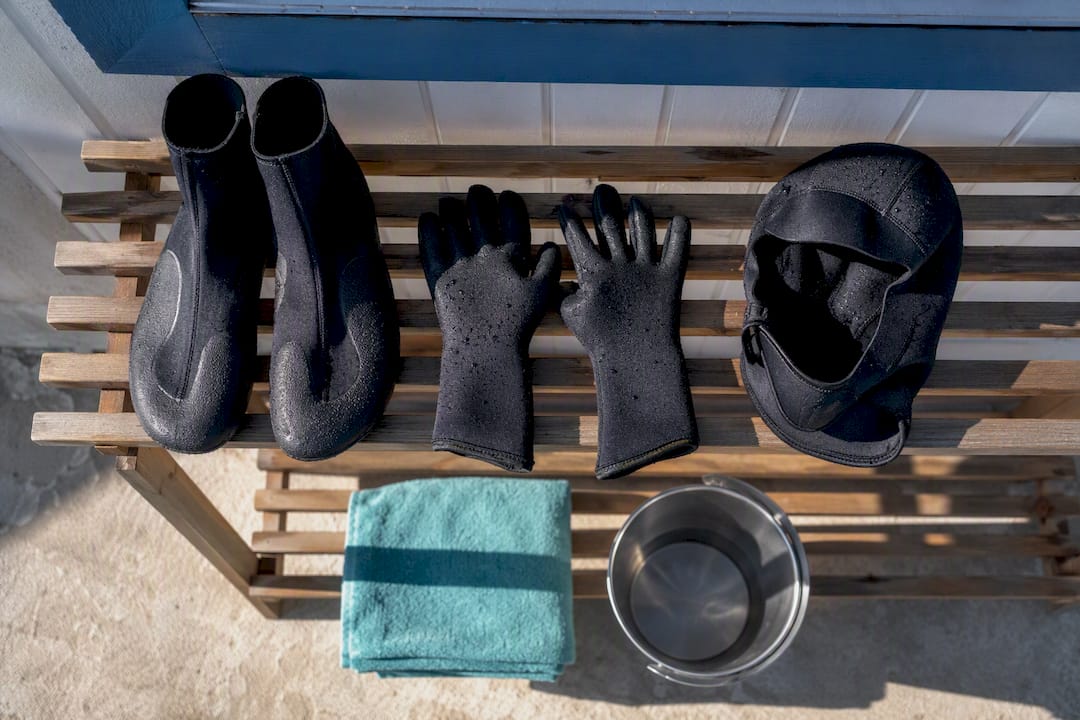
Accessories like boots, gloves, and hoods become increasingly necessary as water and weather conditions grow colder, with recommended use increasing as temperatures decrease. Wind chill and session length push the math further: Rip Curl’s guide points out that sessions running past 90 to 120 minutes, or exposed windy lineups, both justify stepping up one thickness band even if the water temperature alone wouldn’t.
Before a cold-water session, pack:sun-protection layers and travel packing essentials for comfort beyond just your wetsuit.
Boots and gloves if water is below 12°C
A hood for anything under 8°C or genuinely windy conditions
A thermal rash vest as a layer under the suit for long dawn patrols
A towel and warm layers for the paddle back to the car
Checking the actual water temperature the morning of your session, rather than guessing from memory, is the easiest way to pick correctly between two adjacent bands. Riparsurfschool’s Peniche water temperature page tracks current readings for exactly this decision.
Instructor-Backed Tips From Fernando At Ripar Surf School
An instructor near Praia Areia Branca adjusts recommendations daily based on conditions most guides never mention. Morning offshore wind along this stretch of coast can make a 15°C day feel five degrees colder by the time you’re paddling out, so students are often advised to add a step even when the water temperature alone wouldn’t call for it.
For lessons and camps, the rental fleet is stocked across the common Portuguese bands, mostly 3/2mm and 4/3mm suits, so beginners can feel the difference in the water before committing to a purchase. First-timers heading into cooler months are usually advised to rent booties and a hood for one session rather than buying blind, a low-cost way to test whether the investment in a hooded 5/4mm suit actually makes sense for how often they’ll surf.
Three Rules Of Thumb For Picking A Suit At The Beach
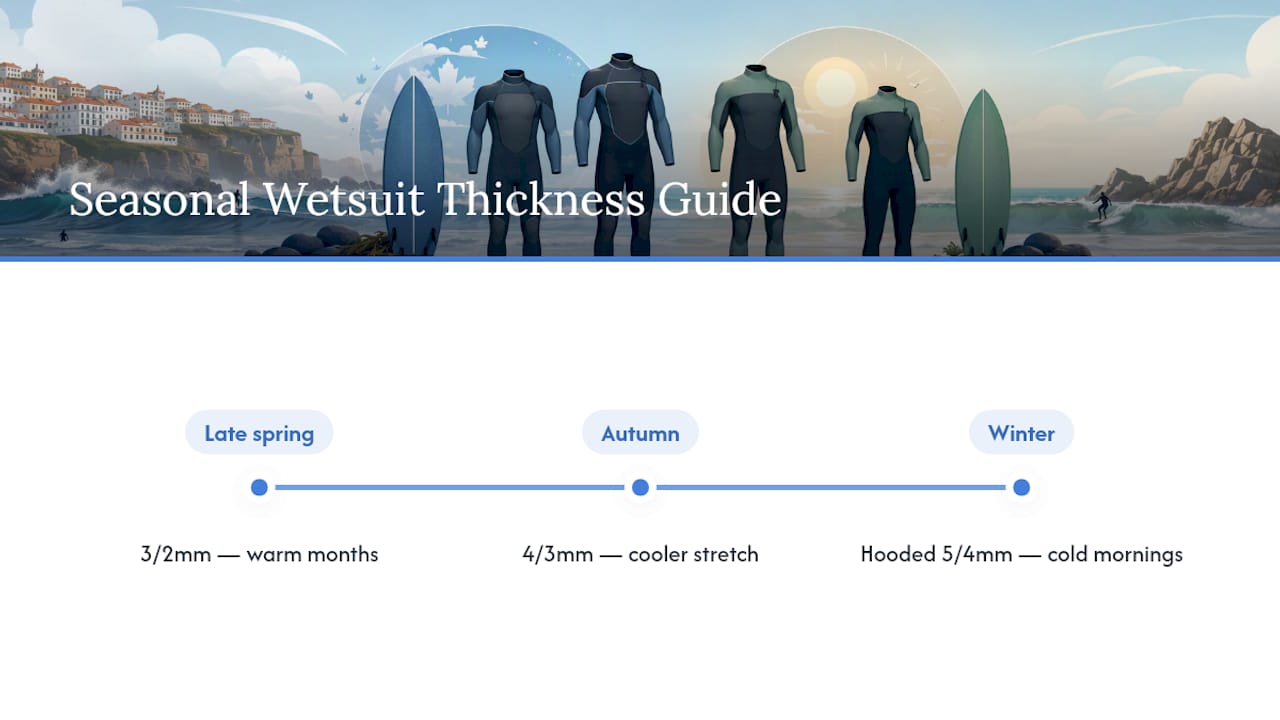
Rule one: match the season, not the calendar date. A 3/2mm covers late spring through early autumn for most of Portugal’s coast, and a 4/3mm takes over for the cooler stretch, with a hooded 5/4mm reserved for the coldest winter mornings.
Rule two: fit and seam quality beat an extra millimeter every time. A well-sealed 3/2mm that fits like a glove will out-perform a loose, flatlock-stitched 4/3mm on a cold, windy day.
Rule three: when in doubt, step up. If you run cold, if the session is long, or if the wind is up, add a layer of accessories or bump to the next thickness band rather than gutting it out in something too thin.
— Fernando
Test Your Fit Before You Buy: Ripar Surf School
Guessing your size from an online chart is how most beginners end up with a suit that flushes at the neck or binds at the shoulder. You can try before you buy: book a lesson near Praia Areia Branca and you’ll paddle out in rental gear sized and adjusted by instructors who fit suits for a living, not a size-guide algorithm.

A group surf lesson includes wetsuit and board rental, so you get a real read on how a 3/2mm or 4/3mm actually feels in Portuguese swell before spending money on your own suit. Prefer one-on-one attention while you sort out sizing and technique together? A private surf lesson gives Fernando or another instructor room to fine-tune your setup on the spot. Planning a longer stay to test gear across a few sessions and different conditions? Check dates on the online booking page and lock in a lesson before your next trip to Peniche.
Sources
Recommended
Comments